
Electrostatic discharge (ESD) is one of the most common and often overlooked threats to electronic system reliability. While ESD events occur in microseconds, their effects can range from immediate component failure to subtle, latent damage that degrades performance over time.
For electronic systems used in aerospace, defense, industrial, and transportation environments, ESD exposure is unavoidable. Human interaction, cable connections, and environmental conditions can all introduce electrostatic charges that discharge into sensitive circuits. To ensure reliable performance, products must be evaluated for their ability to withstand these events.
Grayhill evaluates ESD performance using methods aligned with IEC 61000-4-2, ISO 10605, and MIL-STD-461 CS118, helping confirm that components remain functional and reliable when exposed to electrostatic discharge.
Why Electrostatic Discharge Matters
Electrostatic discharge occurs when a buildup of static electricity is suddenly transferred between objects with different electrical potentials. This can happen through:
- Human contact with a device or interface
- Cable insertion or removal
- Movement of materials in low-humidity environments
- Interaction between conductive surfaces
Even relatively low-energy discharges can affect modern electronics. ESD can lead to:
- Immediate component failure
- Intermittent or unstable system behavior
- Data corruption or signal disruption
- Degraded insulation or material breakdown
- Latent defects that reduce long-term reliability
Because these effects are not always immediately visible, ESD represents both a performance risk and a long-term reliability concern.

What ESD Testing Evaluates
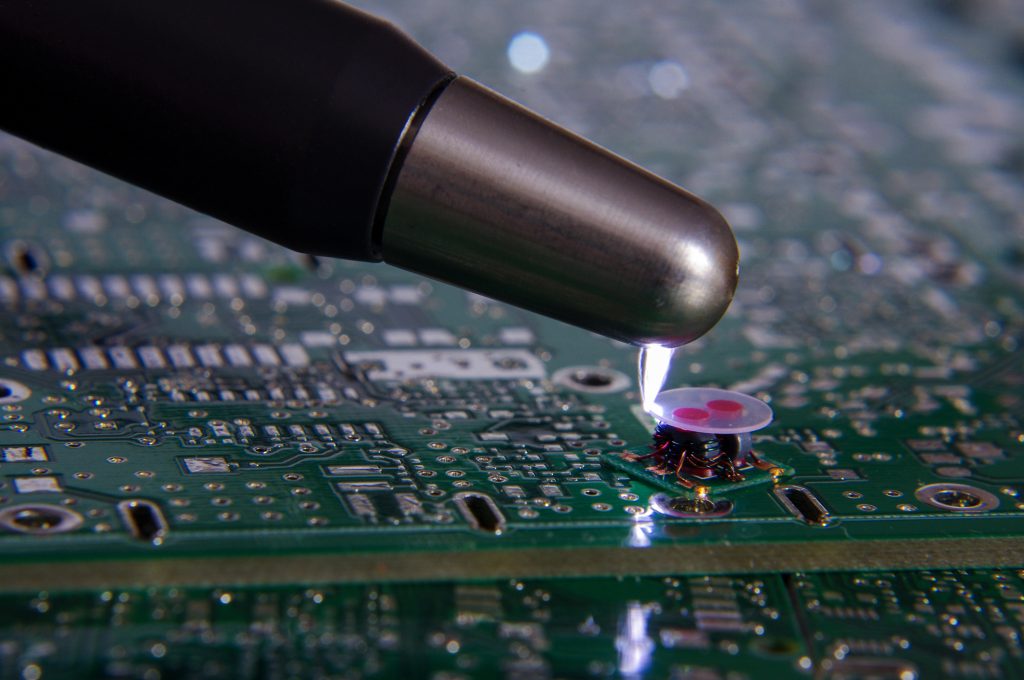
ESD testing is designed to simulate real-world electrostatic events and evaluate how electronic components respond to them.
- Spark Energy Tolerance: Assesses the ability of components to withstand rapid discharge events without damage or functional disruption.
- Grounding and Shielding Effectiveness: Evaluates how well design features such as grounding paths and shielding reduce the impact of electrostatic discharge.
- Insulation Behavior: Examines how insulating materials respond to high-voltage discharge and whether breakdown or degradation occurs.
- Failure Thresholds: Identifies the levels at which components begin to experience performance degradation or failure.
These evaluations help engineers understand both immediate and long-term effects of ESD exposure.
Standards That Define ESD Testing
Electrostatic discharge testing is guided by established international and military standards that define test methods and performance criteria.
- IEC 61000-4-2: Defines test methods for evaluating ESD immunity, including contact discharge and air discharge scenarios commonly encountered in real-world environments.
- ISO 10605: Focuses on ESD testing for automotive applications, addressing discharge events that occur in vehicle environments and human interaction scenarios.
- MIL-STD-461 CS118: Specifies electrostatic discharge susceptibility testing for military equipment, ensuring performance stability in defense applications.
These standards provide structured, repeatable methods for evaluating ESD robustness across different operating environments.
How Grayhill Evaluates ESD Performance
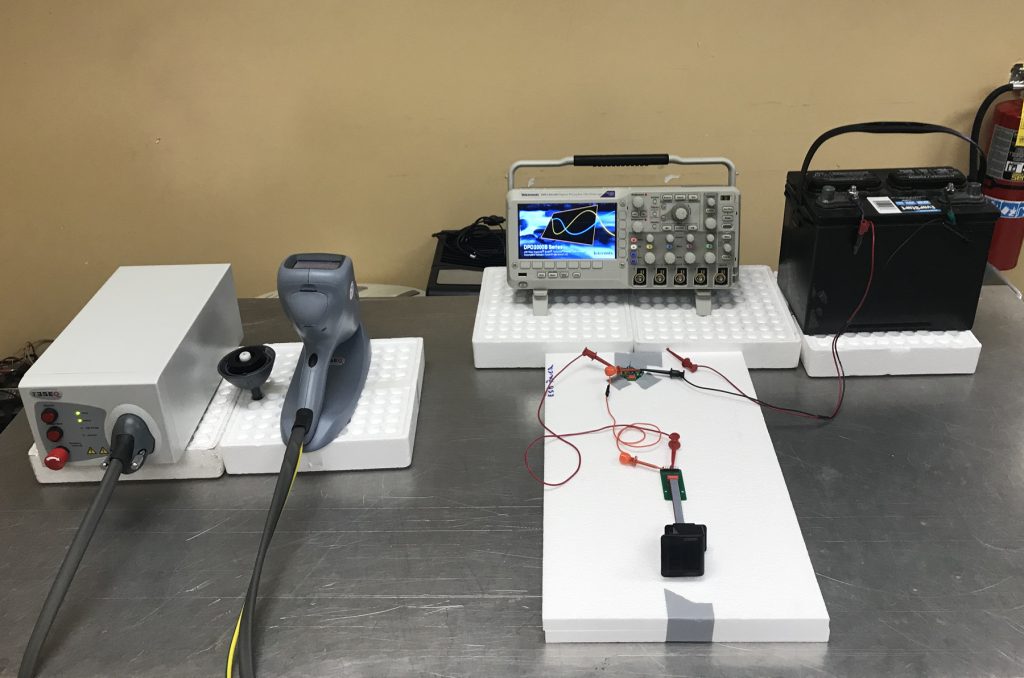
Grayhill evaluates ESD performance using controlled test methods designed to simulate real-world electrostatic discharge conditions. These evaluations focus on how components respond to both direct and indirect discharge events.
Testing includes:
- Applying electrostatic discharge events representative of human interaction and environmental exposure
- Evaluating system response during and after discharge
- Monitoring for functional disruption, reset behavior, or signal instability
- Assessing recovery and continued operation following exposure
These evaluations help confirm that components maintain stable performance and do not introduce failures when exposed to electrostatic discharge.
How ESD Testing Supports Design
ESD evaluation provides critical insight that helps improve product design and reliability.
Grayhill uses ESD test data to:
- Improve grounding paths and electrical continuity
- Enhance shielding and enclosure design
- Select materials with appropriate insulating properties
- Reduce susceptibility to transient electrical events
- Improve robustness of interface and control circuits
These improvements help ensure that products perform consistently in environments where electrostatic discharge is present.
Customer Benefits
For customers operating in demanding environments, ESD testing provides:
- Reduced risk of unexpected failures
- Improved long-term reliability
- Stable performance during human interaction
- Protection against latent defects
- Confidence in compliance with industry standards
For mission-critical systems, ensuring ESD robustness is essential to maintaining consistent and reliable operation.