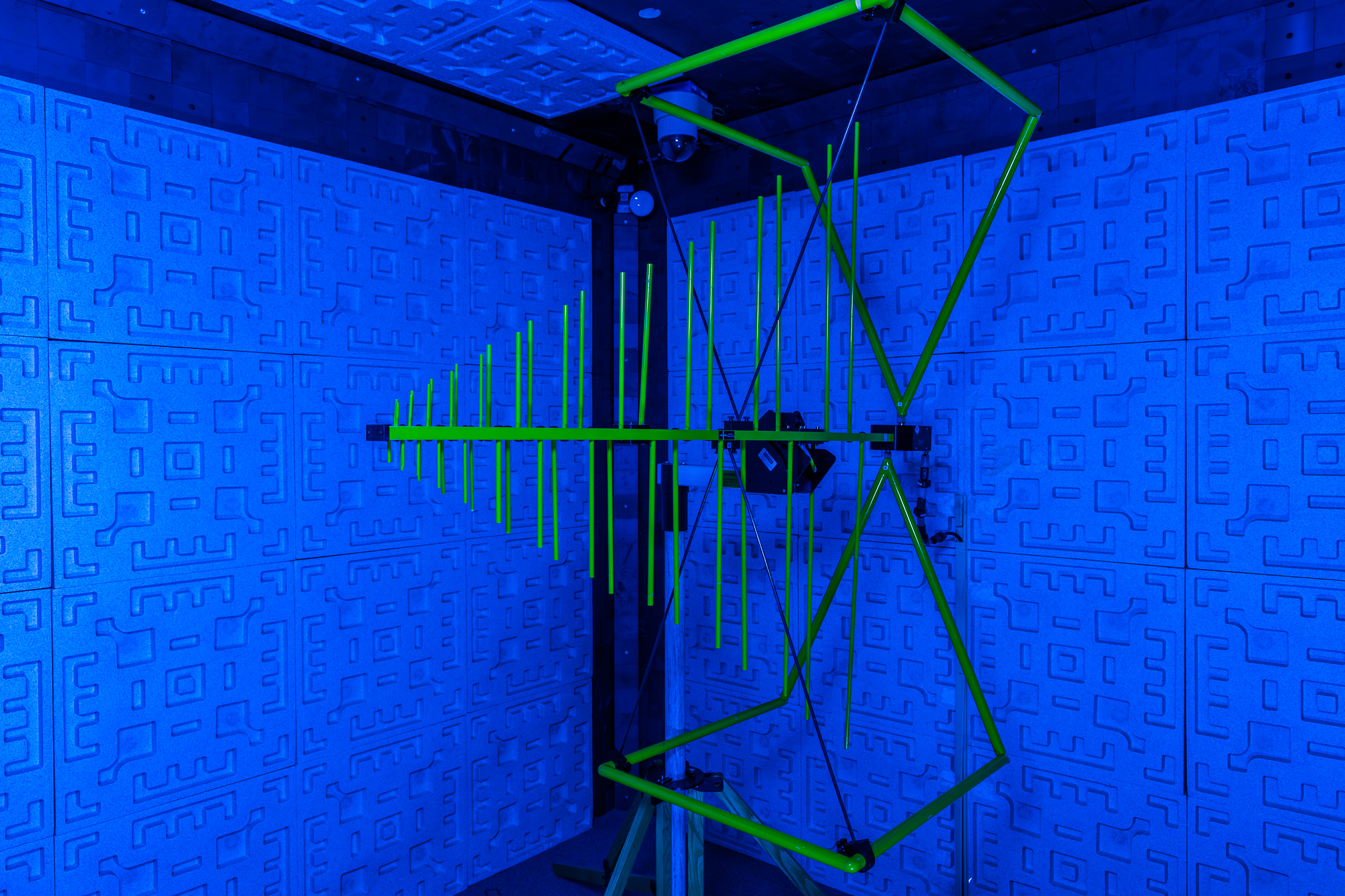
How EMI and EMC Testing Protect System Performance
Electromagnetic interference (EMI) can disrupt the performance of electronic systems in ways that are often difficult to predict. Uncontrolled emissions or susceptibility to external electromagnetic energy can lead to signal distortion, communication failures, or unintended system behavior. In mission-critical applications, these issues can affect navigation, control systems, data integrity, and overall system reliability.
To address these risks, products must be evaluated for both electromagnetic emissions and immunity. Grayhill performs EMI and EMC evaluations to confirm that components do not generate excessive interference and continue to function reliably when exposed to external electromagnetic environments.
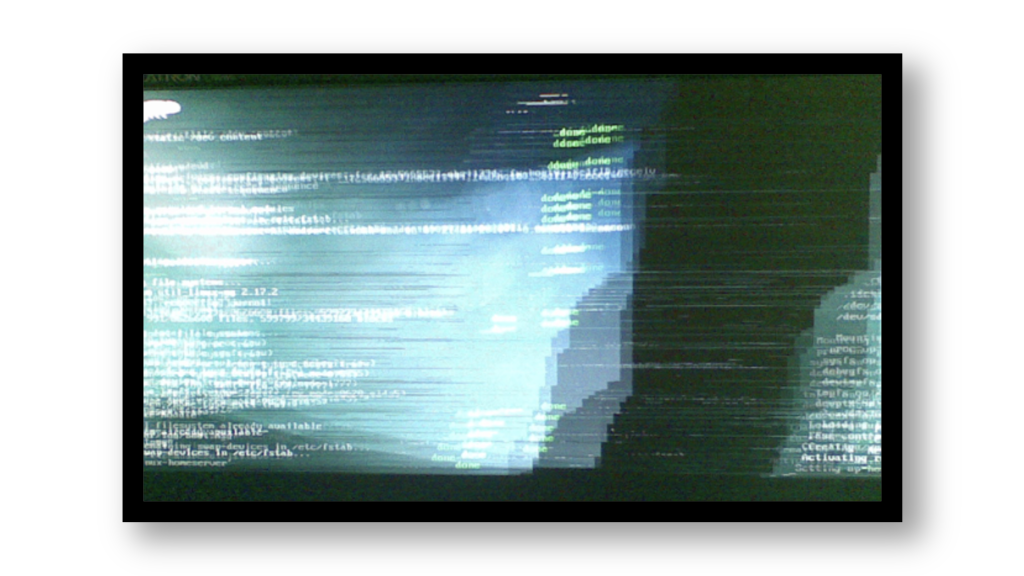
Why EMI and EMC Matter
All electronic systems generate electromagnetic energy as a byproduct of switching circuits, signal transmission, and power conversion. At the same time, they operate within environments where external electromagnetic sources are present.
These sources can include:
- Radio frequency transmissions
- Power systems and switching equipment
- Radar and communication systems
- Nearby electronic devices
- Transient electrical events
Without proper design and validation, electromagnetic interactions can cause:
- Data corruption or signal distortion
- Loss of communication between subsystems
- False inputs or unintended actuation
- Degraded sensor or control performance
- System instability or resets
For aerospace, defense, industrial, and transportation systems, managing electromagnetic compatibility is essential to maintaining reliable operation.
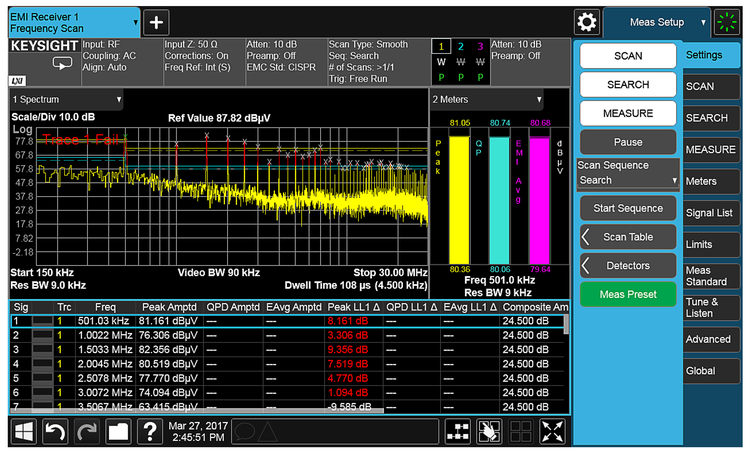
What EMI and EMC Testing Evaluates
EMI and EMC testing evaluates both what a product emits and how it responds to electromagnetic energy in its environment.
Conducted Emissions
Measures electromagnetic energy that travels along power or signal lines. Excessive conducted emissions can interfere with other connected systems.
Radiated Emissions
Evaluates electromagnetic energy emitted through the air. These emissions can affect nearby equipment or violate regulatory limits.
Conducted Susceptibility
Assesses how a product responds to electromagnetic disturbances introduced through cables or power lines. This helps determine whether external noise can disrupt operation.
Radiated Susceptibility
Evaluates how a product performs when exposed to electromagnetic fields. This simulates real-world conditions where devices operate near transmitters or other RF sources.
Together, these evaluations help ensure that components neither interfere with surrounding systems nor become vulnerable to electromagnetic disturbances.
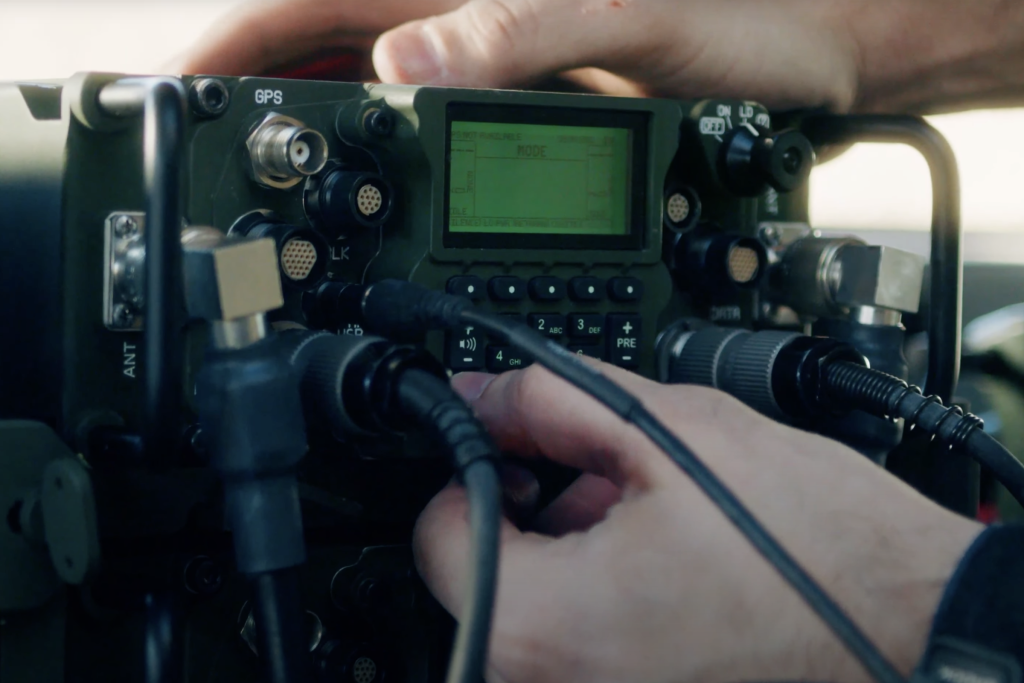
Standards That Define EMI and EMC Performance
EMI and EMC evaluations are guided by widely accepted standards that define test methods and performance expectations.
MIL-STD-461
Used extensively in defense and aerospace applications, MIL-STD-461 defines test methods for both emissions and susceptibility. It includes procedures for conducted and radiated testing across a range of frequencies and operating conditions.
IEC 61000 Series
The IEC 61000 family of standards addresses electromagnetic compatibility across industrial, commercial, and consumer applications. It includes test methods for emissions, immunity, electrostatic discharge, and transient disturbances.
These standards ensure that testing is performed consistently and that results reflect real-world electromagnetic environments.
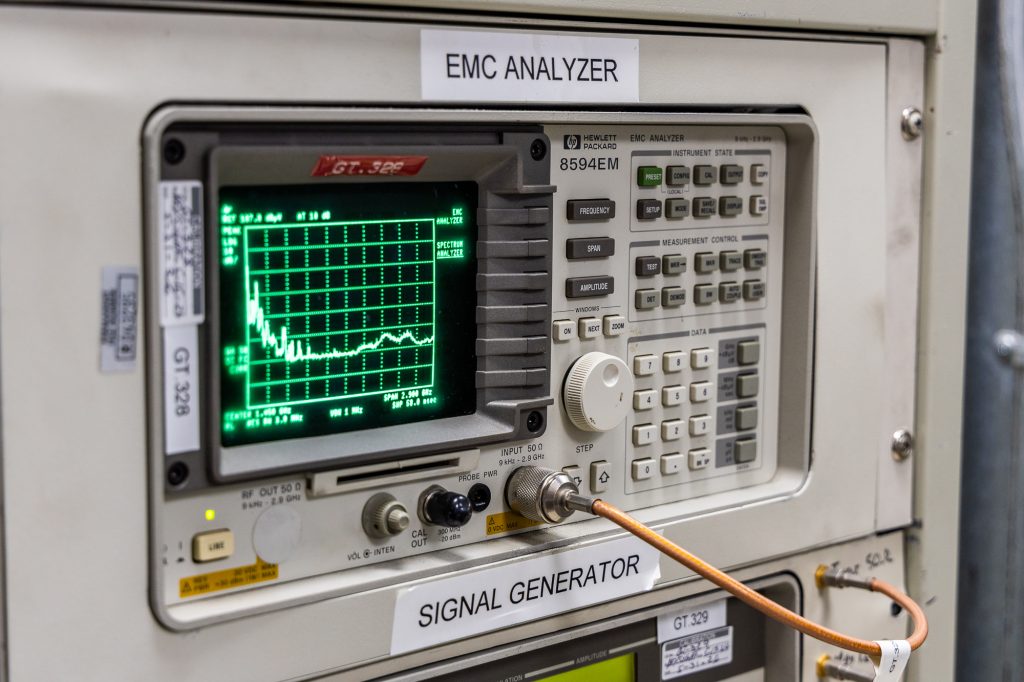
How Grayhill Evaluates EMI and EMC Performance
Grayhill evaluates EMI and EMC performance through controlled testing conditions that simulate real-world electromagnetic environments. These evaluations focus on understanding how components behave both as sources of electromagnetic energy and as receivers of external interference.
Testing includes:
- Assessing emissions conducted through power and signal paths
- Evaluating radiated emissions that may affect nearby systems
- Verifying performance under conducted disturbances introduced through cables
- Evaluating functional stability when exposed to radiated electromagnetic fields
These evaluations are performed to confirm that components maintain consistent operation and do not introduce interference into larger systems.
How EMI and EMC Testing Supports Design
EMI and EMC evaluation is not only used for validation. It also provides insight that improves product design.
Grayhill uses test data to:
- Improve shielding and grounding strategies
- Optimize PCB layout and signal routing
- Reduce unintended emissions from switching circuits
- Improve noise immunity in control and interface circuits
- Ensure stable communication between system components
These improvements help ensure that components perform reliably when integrated into complex electronic systems.

Customer Benefits
For customers operating in demanding environments, EMI and EMC testing provides:
- Reduced risk of system interference
- Improved signal integrity and communication reliability
- Stable performance in electrically noisy environments
- Confidence in compliance with military and industrial standards
- Reliable operation in mission-critical applications
For systems where performance must remain consistent under all operating conditions, electromagnetic compatibility is essential.