









Designing Reliable Control Interfaces for Tactical Supervision of Autonomous Platforms
Artificial intelligence (AI) and autonomous technologies are reshaping defense operations at an unprecedented pace. From unmanned vehicles to predictive analytics, modern militaries are integrating intelligent systems to accelerate decision-making and strengthen mission effectiveness. Yet as autonomy grows, so does the need for clear human oversight.
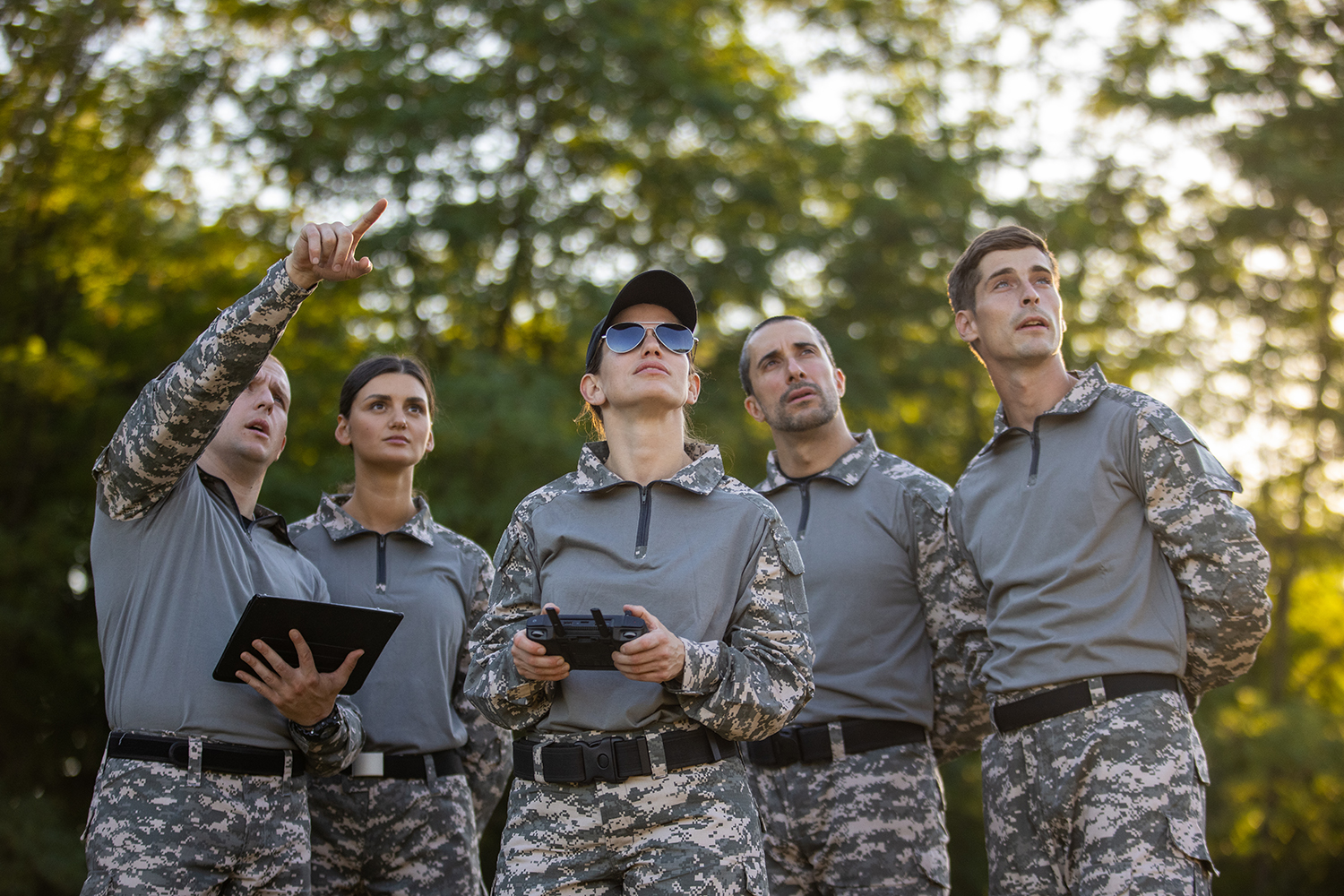
Fully autonomous systems may capture headlines, but real-world defense operations demand human-supervised autonomy—where a trained operator remains part of the decision cycle to ensure safety, accountability, and adherence to rules of engagement. This is the core principle behind Human-in-the-Loop (HITL) design.
This blog explores why HITL remains essential in AI-enabled defense environments and how thoughtfully engineered human–machine interface (HMI) components help warfighters maintain control, confidence, and situational mastery. It also highlights Grayhill’s rugged, military-grade HMI technologies built specifically for these mission demands.
The Global Shift Toward Autonomy
AI and autonomy are transforming defense capabilities across every domain—air, land, sea, cyber, and space. Militaries worldwide now rely on AI to:
- Process ISR data in real time
- Assist with targeting and mission planning
- Identify maintenance needs before failures occur
- Support faster and more accurate decision-making
Autonomous and semi-autonomous systems—including UAVs, ground robots, and maritime drones—routinely perform surveillance, logistics, and reconnaissance with increasing independence.
Leading organizations such as NATO, Israel, China, and the United States are investing heavily in these advancements to stay competitive on the modern battlefield. But with autonomy comes new challenges related to ethics, safety, and command responsibility.
Why oversight remains essential
As machines assume tasks once performed by humans, militaries must answer tough questions:
- How do we ensure AI decisions align with national policy and humanitarian norms?
- How do we maintain accountability in fast-paced combat environments?
- What safeguards prevent unintended escalations or misinterpretations?
Organizations such as the U.S. Department of Defense and NATO have issued formal guidance stressing that AI systems must be:
- Traceable
- Governable
- Transparent
- Subject to human control
- Rather than removing humans from the loop, modern doctrine supports human-supervised autonomy, where operators retain authority to intervene at any time.
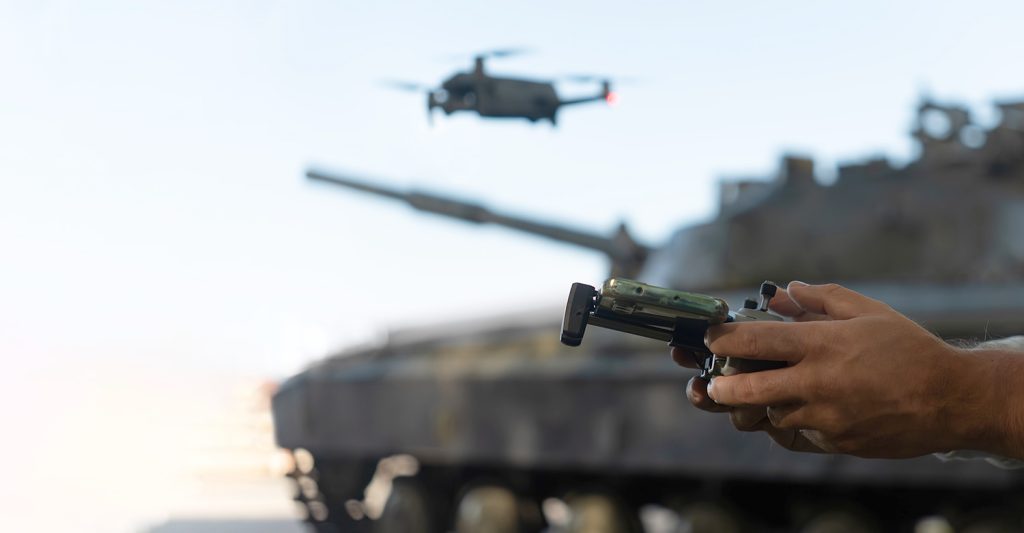
Why Human-in-the-Loop Still Matters
No matter how advanced AI becomes, human judgment remains irreplaceable in mission-critical defense scenarios.
Example: Air-to-Ground Decision-Making
AI can rapidly interpret terrain and threat data, but only a human operator can evaluate:
- Civilian risk
- Political implications
- Rules-of-engagement compliance
Example: Ground Robotics
An autonomous robot may navigate on its own, but a human must take control when:
- Terrain becomes unpredictable
- Civilians enter the operation area
- A malfunction or sensor anomaly occurs
- HITL in contested environments
Autonomy is most vulnerable when the environment becomes least predictable. In GPS-denied or electronic warfare conditions, human assessment is critical to:
- Interpret uncertain or degraded sensor data
- Adjust mission objectives
- Prevent unintended escalation
The role of intuitive interfaces
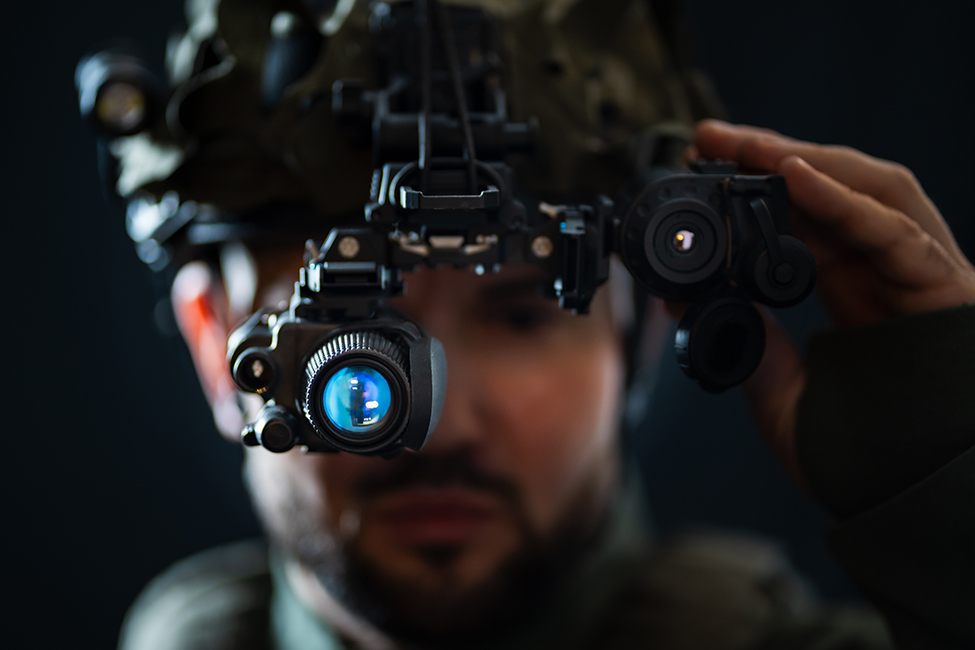
HITL works only when operators can understand and respond quickly. Effective HMI design must minimize cognitive overload while maximizing confidence and control through:
- Tactile input mechanisms
- Haptic feedback
- Low-clutter visual layouts
- Night vision compatibility
Keeping humans central is not just functional—it’s a matter of ethical and legal responsibility.
Designing HMIs for Human-Supervised Autonomy
Creating operator-centric HMIs for AI-enabled platforms requires combining rugged hardware engineering with modern usability principles.
Environmental Hardening
Defense-grade components must withstand:
- Extreme temperatures (–51°C to +85°C)
- High shock and vibration
- Dust and water intrusion (IP67/IP68)
- Electromagnetic interference (MIL-STD-461)
Grayhill’s design and testing processes ensure controls remain reliable even in harsh, unpredictable field conditions.
User Interface Optimization
Controls must be:
- Easy to access and operate under stress
- Optimized for gloved use
- Spaced and shaped to prevent accidental activation
- Designed to provide tactile or haptic confirmation
Night-vision compatibility is also crucial. Grayhill integrates MIL-STD-3009-compliant backlighting to ensure NVG readability without compromising concealment.
Flexible System Integration
Autonomous military systems depend on seamless digital connectivity. Grayhill’s modules integrate easily through:
- CAN bus
- SAE J1939
- Other military communication standards
Features such as embedded diagnostics, programmable logic, and configurable detents allow integrators to tailor HMI components to mission-specific needs.
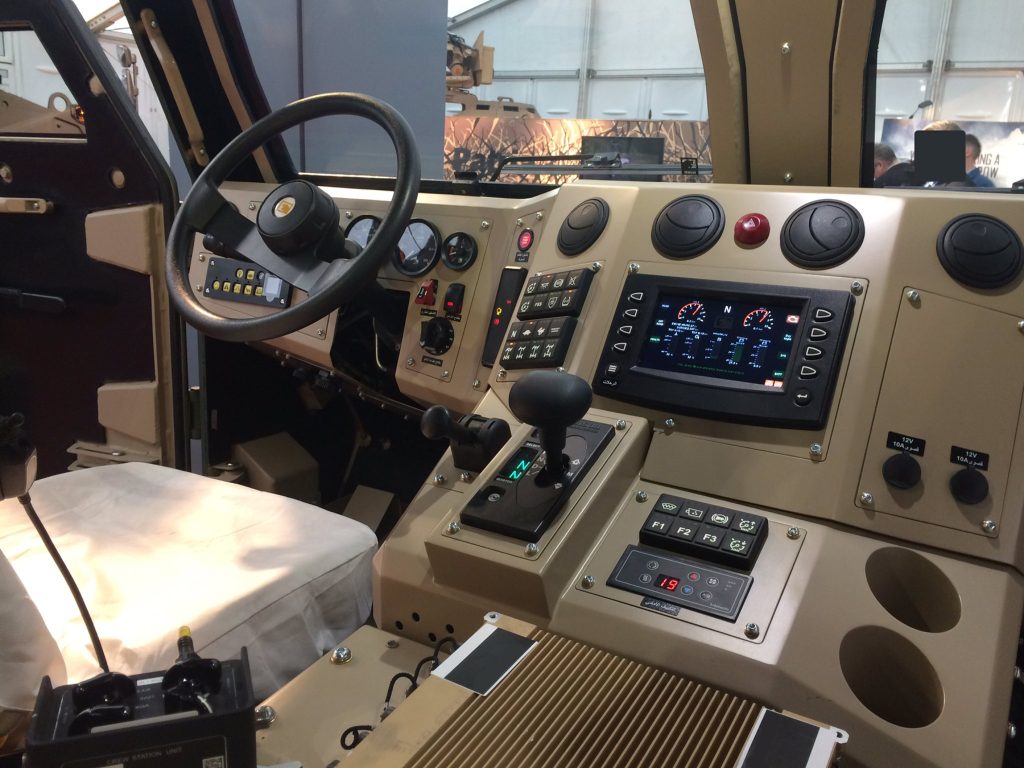
Grayhill’s HITL-Ready Capabilities
Grayhill designs and manufactures rugged HMI components in vertically integrated U.S. facilities that meet defense traceability and quality requirements.
CAN Bus Keypads
- Sealed, laser-etched designs
- NVIS-compatible lighting
- Built-in diagnostics and programmable layouts
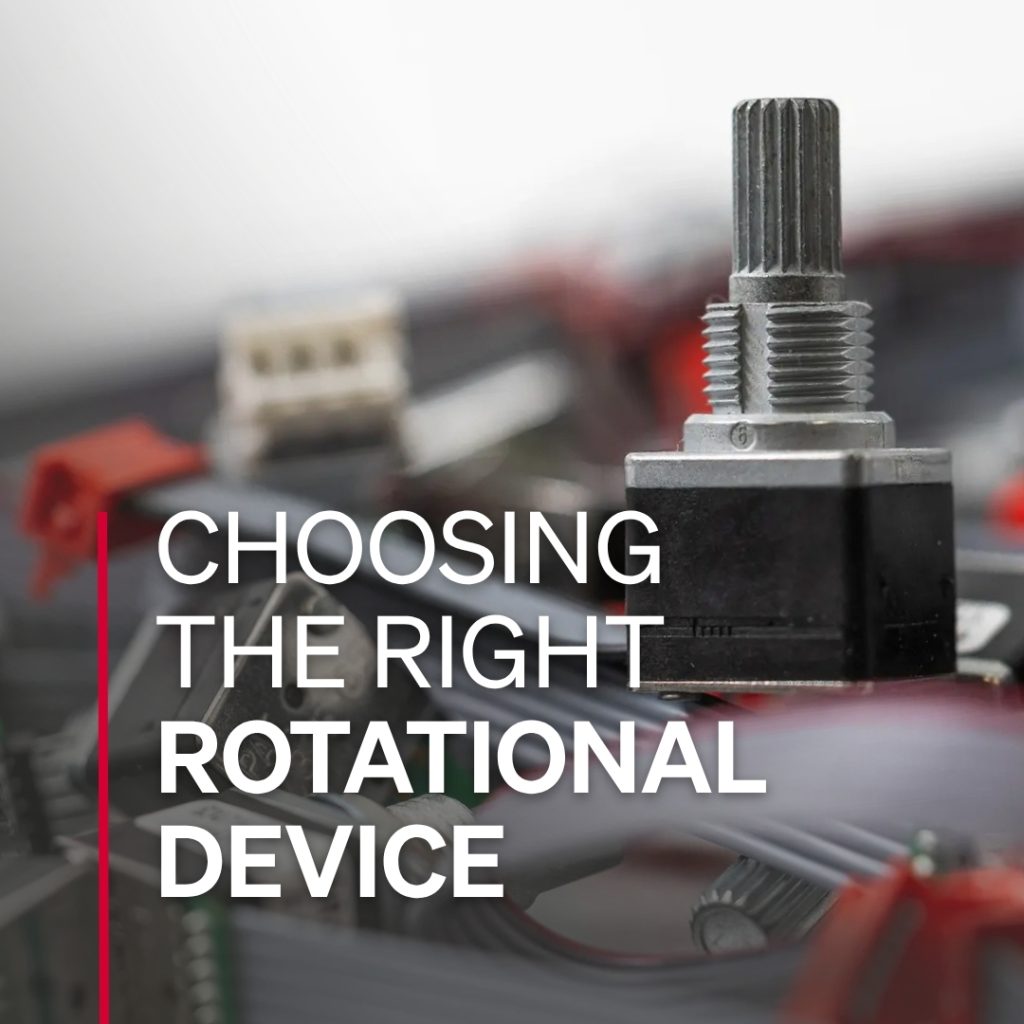
Rotary Encoders & Joysticks
- Hall-effect sensing for precision and durability
- Configurable detents and tactile feedback
- Glove-operable proportional control for vehicles, turrets, and robotics
Custom Control Panels
Modular panel systems combine multiple controls—encoders, keypads, joysticks—into unified, space-efficient solutions.
CAN Bus Displays
- Sunlight-readable screens
- Touch-enabled interfaces
- Context-sensitive alerts and mission data
- APIs for seamless system-level integration
All components undergo rigorous environmental validation, including thermal cycling, vibration, EMI testing, and salt fog exposure.
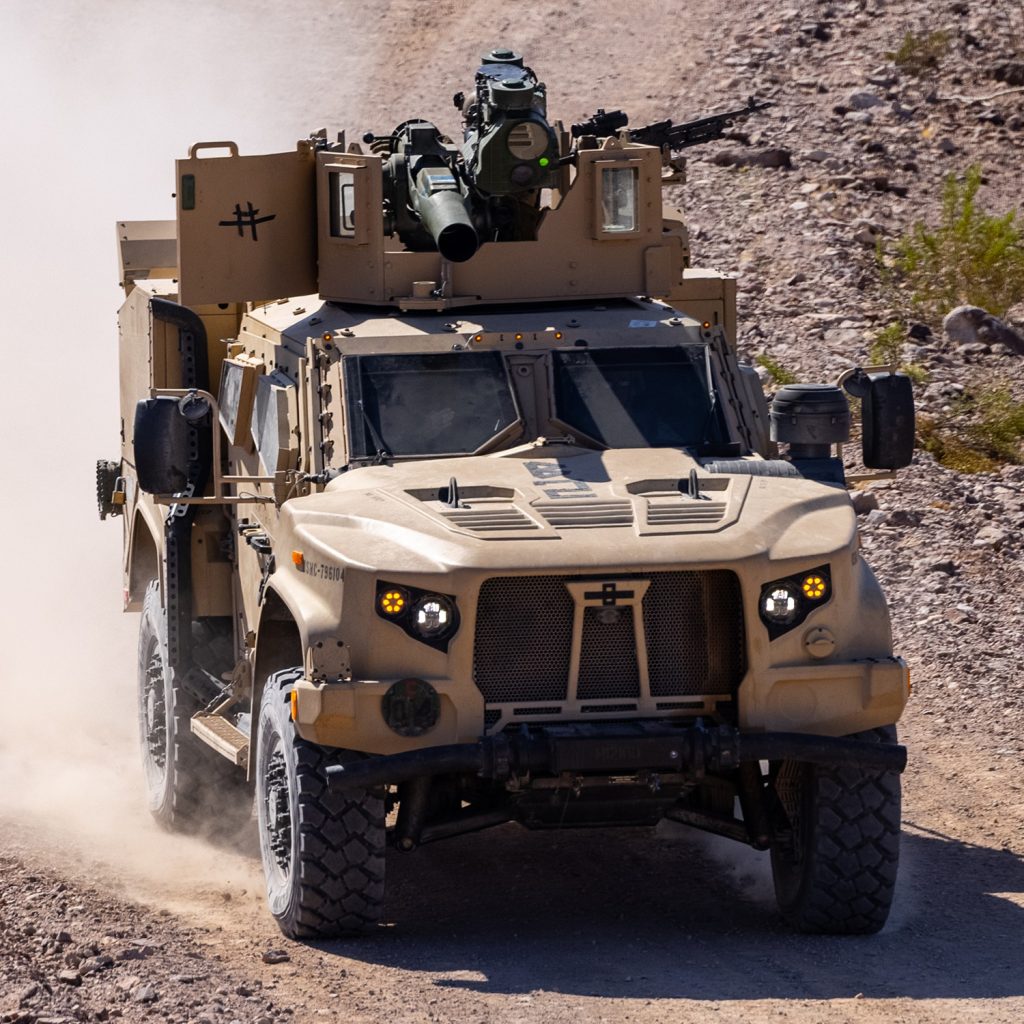
U.S. Marines with the Combined Anti-Armor Team (CAAT), 3rd Battalion, 2d Marine Regiment, 2d Marine Division conduct a range on the U.S. Army Yuma Proving Grounds, Arizona, Oct 21, 2023. CAAT utilizes various weapon systems to neutralize enemy armored assets. (U.S. Marine Corps photo by Lance Cpl. Eric Dmochowski)
Proven Operational Use
Grayhill HMI technologies are deployed across numerous U.S. and allied defense platforms, including:
-
JLTV (Joint Light Tactical Vehicle): A highly mobile, armored combat platform designed to replace the Humvee with enhanced protection, improved reliability, and advanced networked mission systems.
-
Tactical communications systems: Integrated radio, networking, and command-and-control equipment where rugged, gloved-operable input devices are essential for mission-critical operation.
Vehicle Applications
- Mode switching
- Lighting control
- Sensor and optics adjustments
- Secure radio tuning
Unmanned Systems
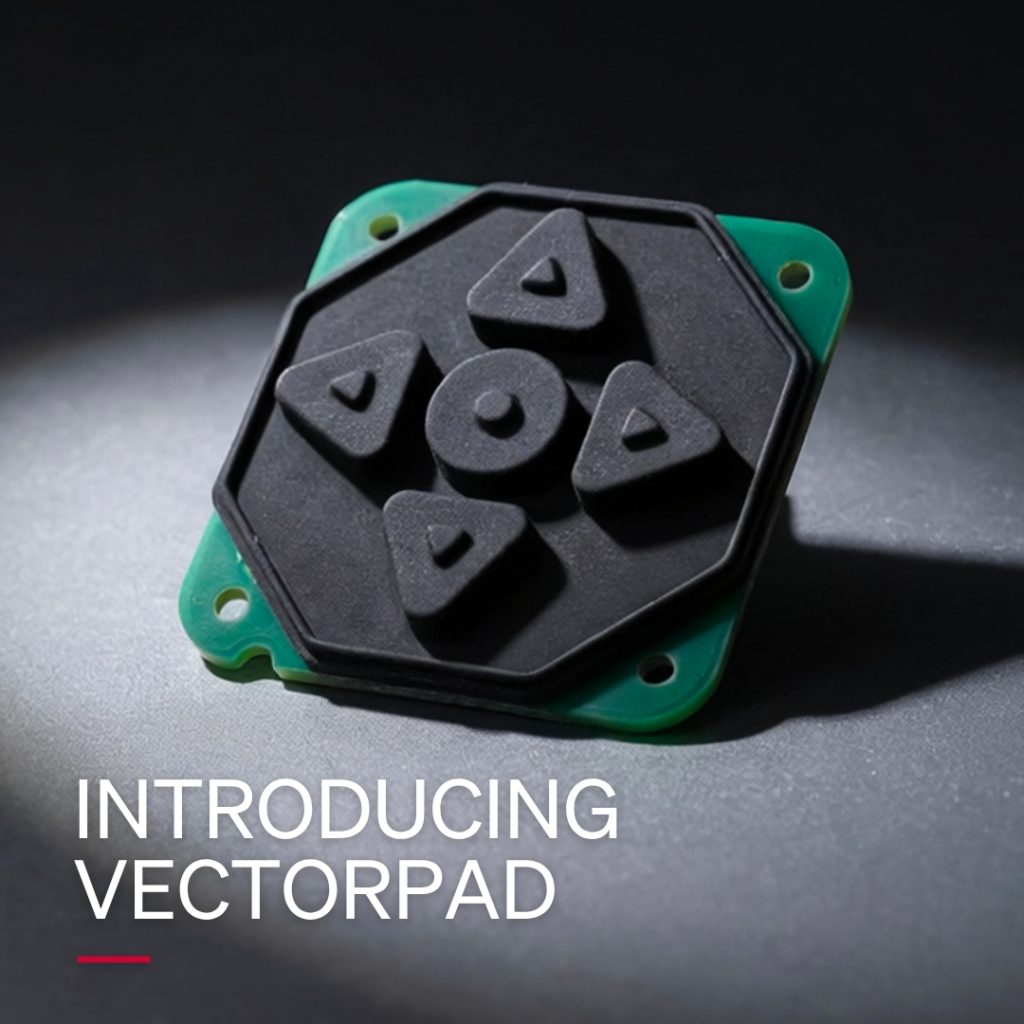
- Joystick teleoperation
- Keypad-based menu navigation
- Manual override functionality
Soldier-Worn Equipment
Lightweight encoders and switches support portable command units and dismounted operations.
Wherever they operate—vehicle-mounted, remote, or soldier-worn—Grayhill HMIs provide tactile, dependable, mission-critical control.
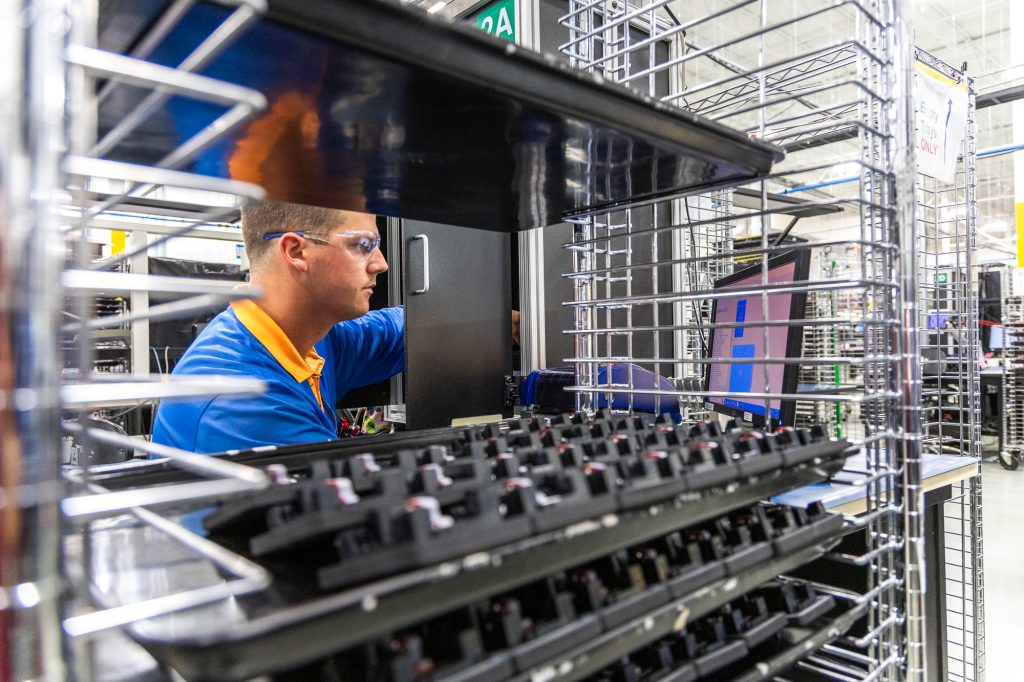
Compliance & Manufacturing Standards
Grayhill defense products meet or support:
- MIL-STD-810G (environmental testing)
- MIL-STD-461 (EMI compliance)
- MIL-STD-3009 (NVIS lighting)
- ITAR/EAR compliance
- SAE J1939, CANopen protocols
Facilities maintain:
- ISO 9001
- AS9100
- APQP and PPAP processes
- Full documentation and lifecycle traceability
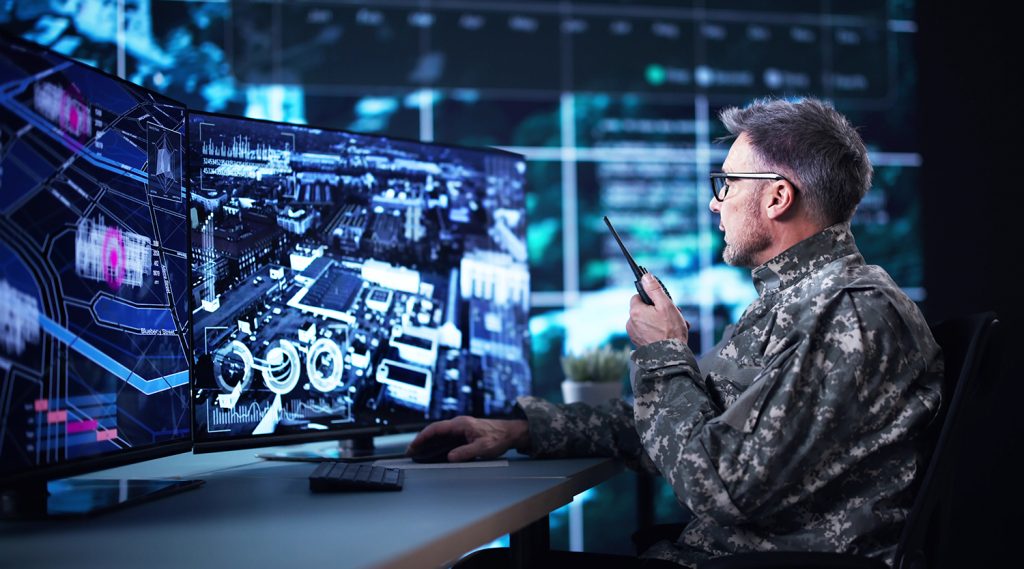
The Future: AI with Accountability
As global militaries push deeper into autonomous operations, HITL will remain the foundation of responsible, ethical, and effective deployment.
Grayhill is committed to supporting this future through:
- Intuitive, dependable operator controls
- Confidence-building tactile inputs
- Rugged devices engineered for decisive human judgment
Autonomy may evolve, but human authority—and human responsibility—must remain central.
Conclusion
AI-enabled autonomy brings tremendous potential to modern defense operations. But the mission depends on the warfighter’s ability to supervise, intervene, and command intelligent systems with confidence. That’s why Human-in-the-Loop HMI design is more critical than ever.
Grayhill’s rugged, operator-focused components empower defense teams with the tools they need to maintain control, ensure accountability, and operate effectively across complex, high-stakes environments.