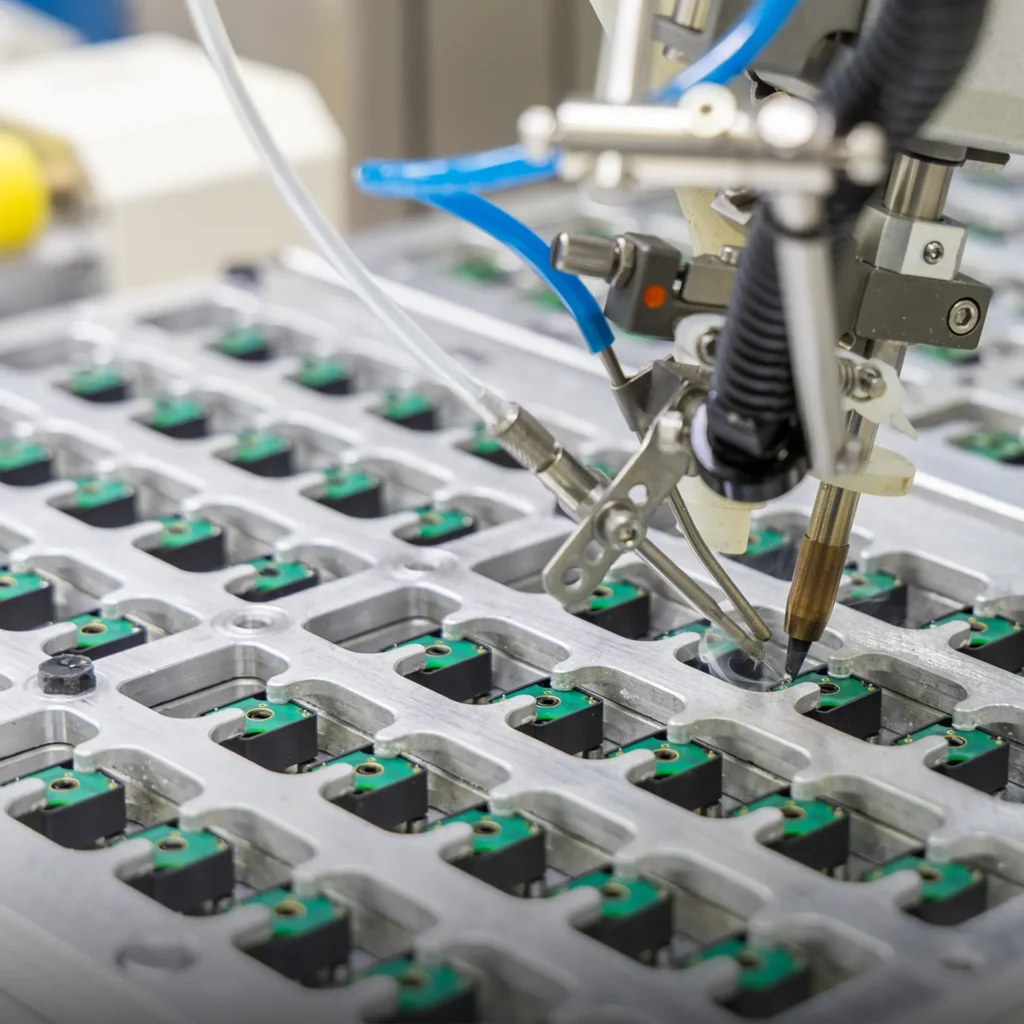
Electrical safety is a fundamental requirement for any system that includes powered components or user interaction. Whether used in industrial equipment, medical devices, or defense systems, electrical interfaces must be designed to prevent unintended current flow, protect users from shock hazards, and maintain safe operation under normal and fault conditions.
To achieve this, components must be evaluated for insulation performance, dielectric strength, and leakage behavior. Grayhill evaluates these characteristics to help ensure that interface components support safe, reliable system operation.
Why Electrical Safety Matters
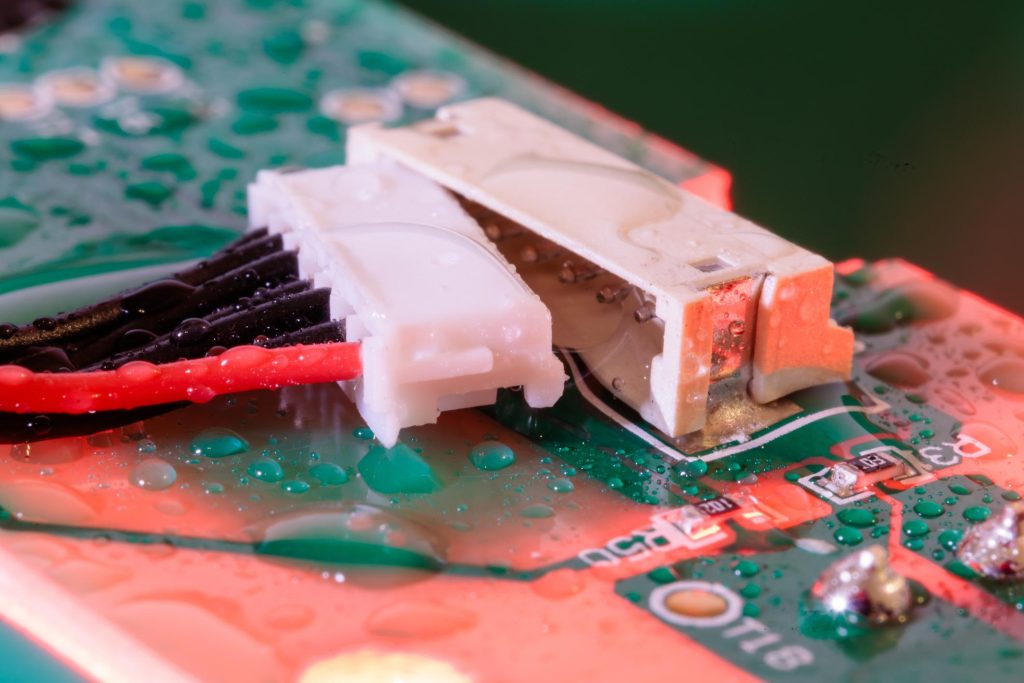
Electrical hazards can arise when current flows in unintended ways due to insulation failure, environmental exposure, or material degradation. These risks are especially critical in systems where:
- Users interact directly with controls or interfaces
- Equipment operates in harsh or variable environments
- Systems must meet regulatory or safety standards
- Long-term reliability is required under continuous operation
Without proper validation, electrical safety issues can lead to:
- Shock hazards for users or operators
- Leakage currents that degrade performance
- Insulation breakdown under voltage stress
- Component failure due to environmental exposure
- System-level safety non-compliance
Electrical safety testing helps identify these risks early and ensures that components perform as intended throughout their lifecycle.
What Electrical Safety Testing Evaluates
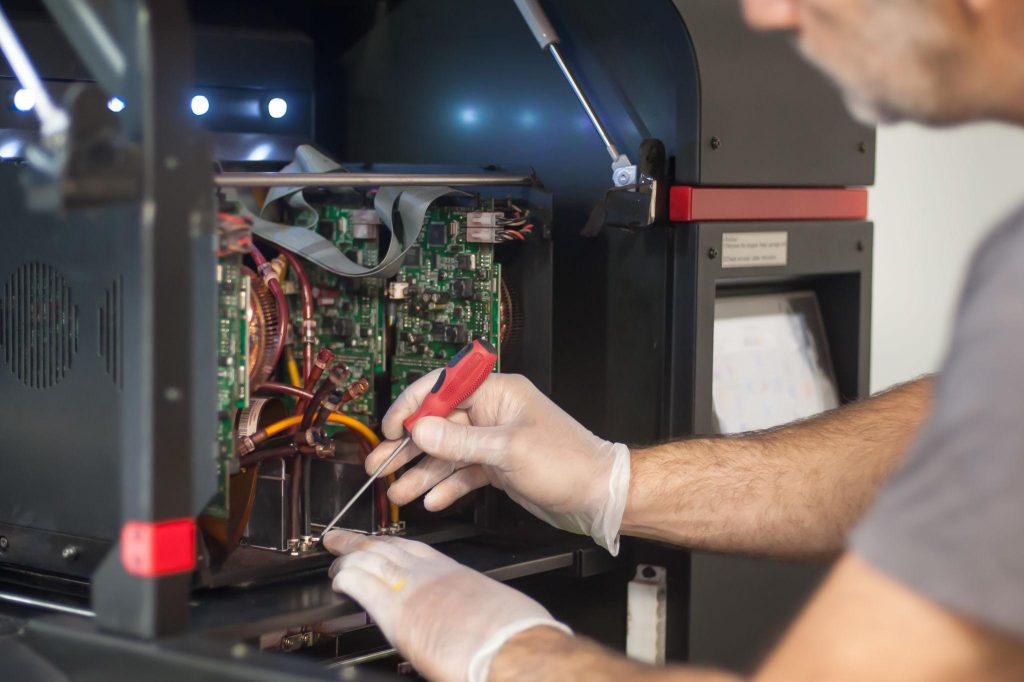
Electrical safety evaluations focus on how materials, interfaces, and conductive paths behave under electrical and environmental stress.
Insulation Resistance: Measures the ability of insulating materials to resist current flow. High insulation resistance is essential to prevent unintended conduction between circuits or surfaces.
Dielectric Strength (Withstand Voltage): Evaluates how well materials and assemblies can tolerate high voltage without breakdown. This helps confirm that insulation can withstand transient or fault conditions.
Leakage Current: Assesses the amount of unintended current flowing through conductive or insulating paths. Excessive leakage can indicate insulation degradation or unsafe operating conditions.
These evaluations provide insight into both immediate performance and long-term reliability.
Environmental Factors That Influence Electrical Safety
Electrical safety performance is not static. Environmental conditions can significantly impact insulation and leakage behavior over time.
Key factors include:
Temperature: Elevated temperatures can accelerate material aging and reduce insulation effectiveness.
Humidity and Moisture: Moisture can reduce insulation resistance and create unintended conductive paths.
Contamination and Debris: Dust, chemicals, or residues can alter surface conductivity and increase leakage risk.
Mechanical Stress: Vibration, shock, and repeated use can degrade insulating materials or expose conductive elements.
Because of these variables, electrical safety must be evaluated under conditions that reflect real-world use.
How Grayhill Evaluates Electrical Safety
Grayhill evaluates electrical safety characteristics using controlled test conditions designed to assess insulation performance and current behavior under electrical stress.
Evaluations include:
- Measuring insulation resistance across components and interfaces
- Applying voltage conditions to assess dielectric strength
- Evaluating leakage current across conductive paths
- Assessing performance under varying environmental conditions such as temperature and humidity
These evaluations help confirm that components maintain safe electrical behavior when integrated into larger systems.
How Electrical Safety Testing Supports Design
Electrical safety testing provides critical insight that informs both material selection and product design.
Grayhill uses these evaluations to:
- Select insulating materials with appropriate electrical properties
- Improve spacing and separation between conductive elements
- Enhance sealing and environmental protection
- Reduce leakage paths across surfaces and interfaces
- Ensure stable performance across operating conditions
These improvements help ensure that components support safe operation over the full product lifecycle.
Electrical Safety Starts with Material Protection
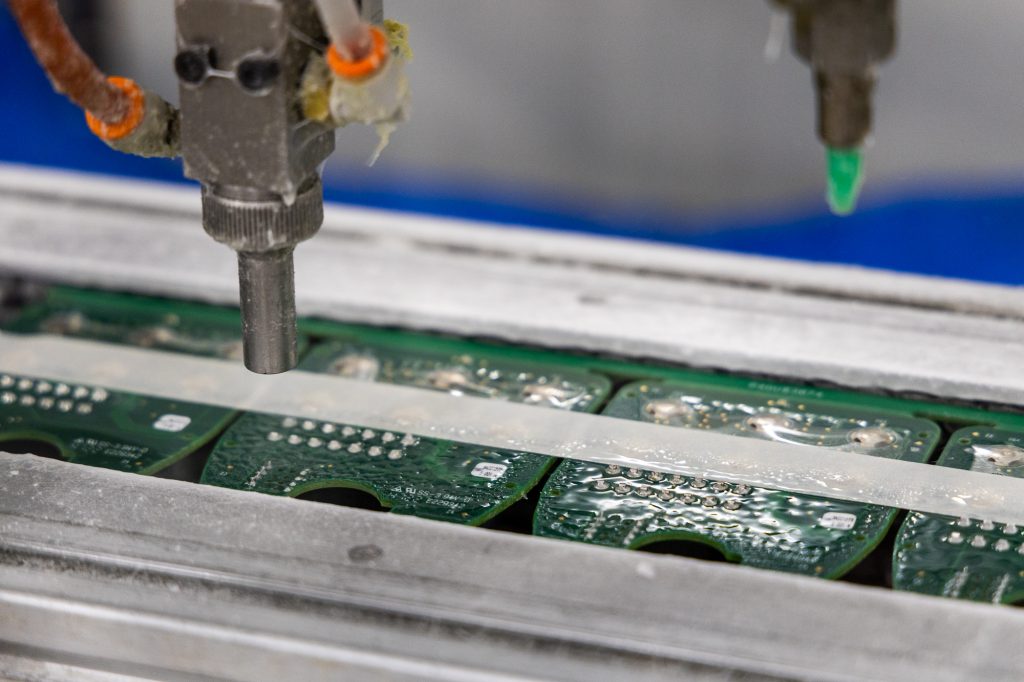
Electrical safety is not only achieved through testing. It is also built into the design through material selection and protective strategies that help prevent unintended current flow.
Protective materials, coatings, and barriers help:
- Reduce surface leakage paths
- Improve insulation performance
- Protect circuits from moisture and contamination
- Maintain dielectric integrity over time
By combining these design approaches with electrical safety evaluation, components are better equipped to maintain safe and reliable performance in real-world environments.
Customer Benefits
For customers designing systems that require safe electrical operation, these evaluations provide:
- Reduced risk of electrical hazards
- Improved long-term reliability
- Greater confidence in system-level safety compliance
- Stable performance across environmental conditions
- Protection for users, operators, and equipment
For applications in medical, industrial, and defense environments, electrical safety is not optional—it is essential.
Conclusion
Electrical safety testing plays a critical role in ensuring that electronic components perform reliably and safely under real-world conditions. By evaluating insulation resistance, dielectric strength, and leakage behavior, Grayhill helps customers build systems that meet safety expectations and operate with confidence in demanding environments.