











GRAYHILL
Evaluating Wear and Marking Durability Through Abrasion Testing
Markings, legends, and surface finishes are critical to the usability of human-machine interfaces. Labels must remain legible, symbols must remain recognizable, and surfaces must maintain their integrity throughout the product lifecycle.
In real-world environments, interfaces are exposed to repeated contact, cleaning, environmental conditions, and mechanical wear. Over time, these factors can degrade printed graphics, coatings, and surface finishes. When markings fade or coatings fail, usability is compromised and the risk of operator error increases.
To ensure long-term performance, GRAYHILL evaluates wear resistance and marking durability through abrasion and adhesion testing. These evaluations help confirm that interface components maintain clarity, function, and appearance under extended use.

Why Wear and Marking Durability Matter
Interface markings are not decorative. They are functional elements that guide user interaction.
In demanding applications such as industrial equipment, medical devices, and defense systems, degraded markings can lead to:
- Misinterpretation of controls or indicators
- Increased user error
- Slower operation or hesitation
- Reduced confidence in the interface
- Non-compliance with safety or usability requirements
In contrast, durable markings support:
- Clear communication of function
- Consistent usability over time
- Reliable operation in harsh environments
- Long-term product quality and appearance
For systems that depend on accurate human interaction, marking durability is essential.
What Wear Testing Evaluates
Wear testing focuses on how surfaces, coatings, and printed elements respond to repeated use and environmental exposure.
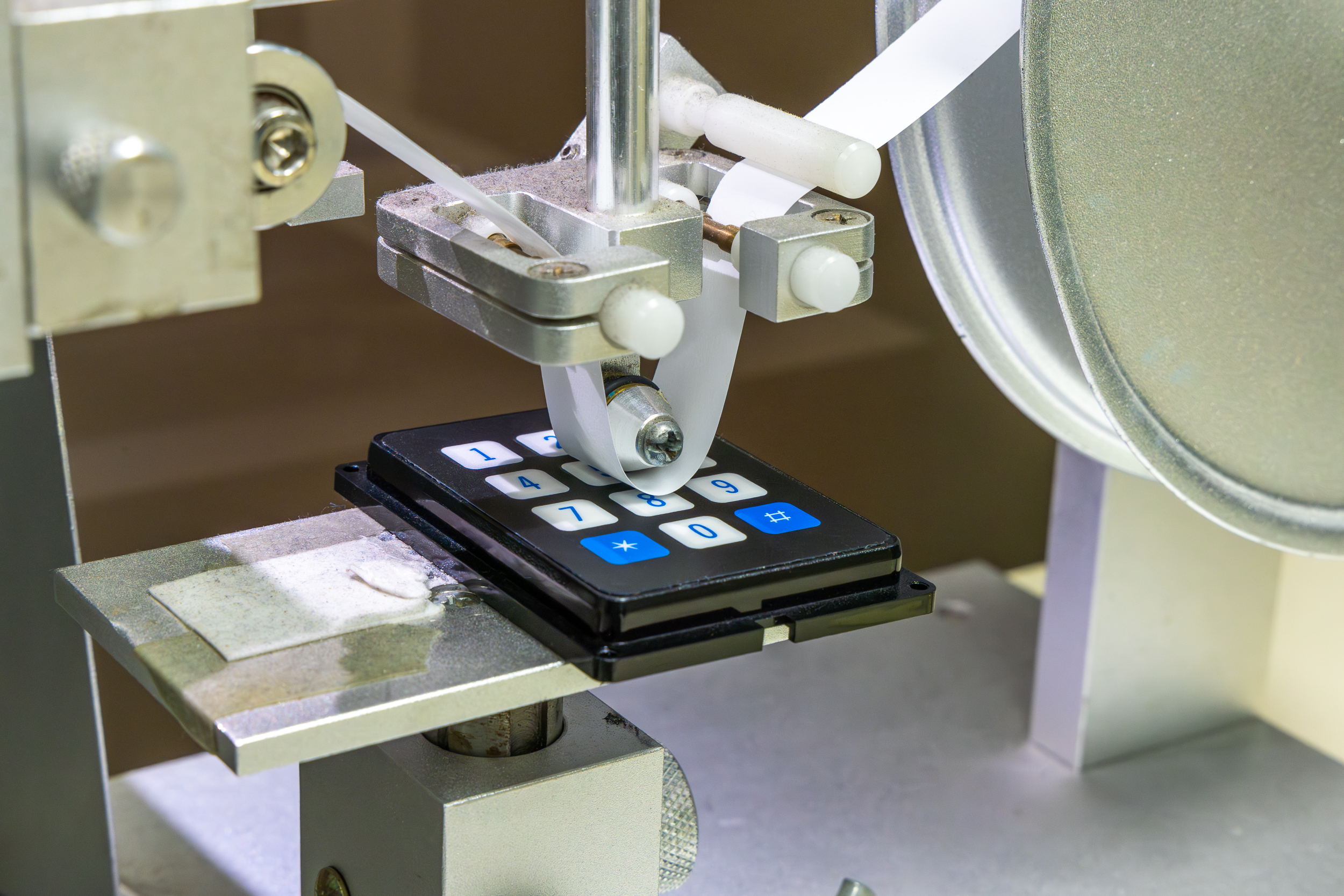
- Abrasion Resistance: Evaluates how well surface materials and printed markings withstand repeated mechanical contact, such as pressing, rubbing, or cleaning. This helps determine how quickly wear may occur under normal use.
- Adhesion of Printed Graphics: Assesses how strongly printed legends, coatings, or labels adhere to the underlying surface. Poor adhesion can lead to peeling, flaking, or early degradation.
- Coating Durability: Examines how protective coatings perform under repeated stress and environmental exposure. Durable coatings help preserve both appearance and functionality.
Together, these evaluations help ensure that interface elements remain intact and readable over time.
Standards That Guide Wear and Abrasion Testing
Wear and durability testing is guided by established standards that define repeatable methods for evaluating surface performance.
- IEC 60068-2-70: Defines test methods for evaluating resistance to abrasion and wear on markings and surfaces. It is commonly used to assess how printed elements perform under repeated mechanical stress.
- ASTM D3359: Defines test methods for evaluating adhesion of coatings, including cross-hatch testing to determine how well coatings remain bonded to surfaces.
These standards provide consistent methods for assessing durability and ensuring that results reflect real-world conditions.
How GRAYHILL Evaluates Wear Performance
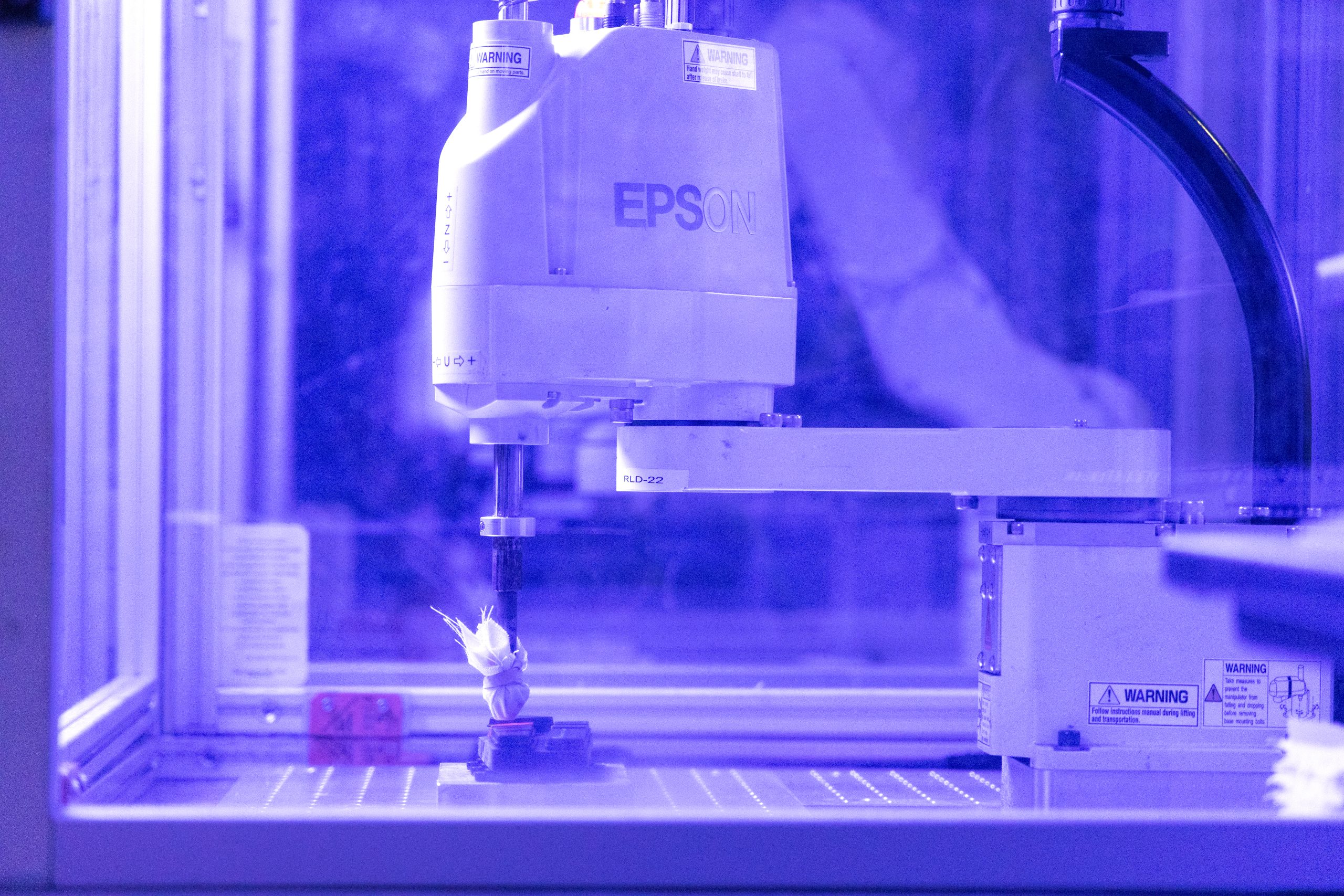
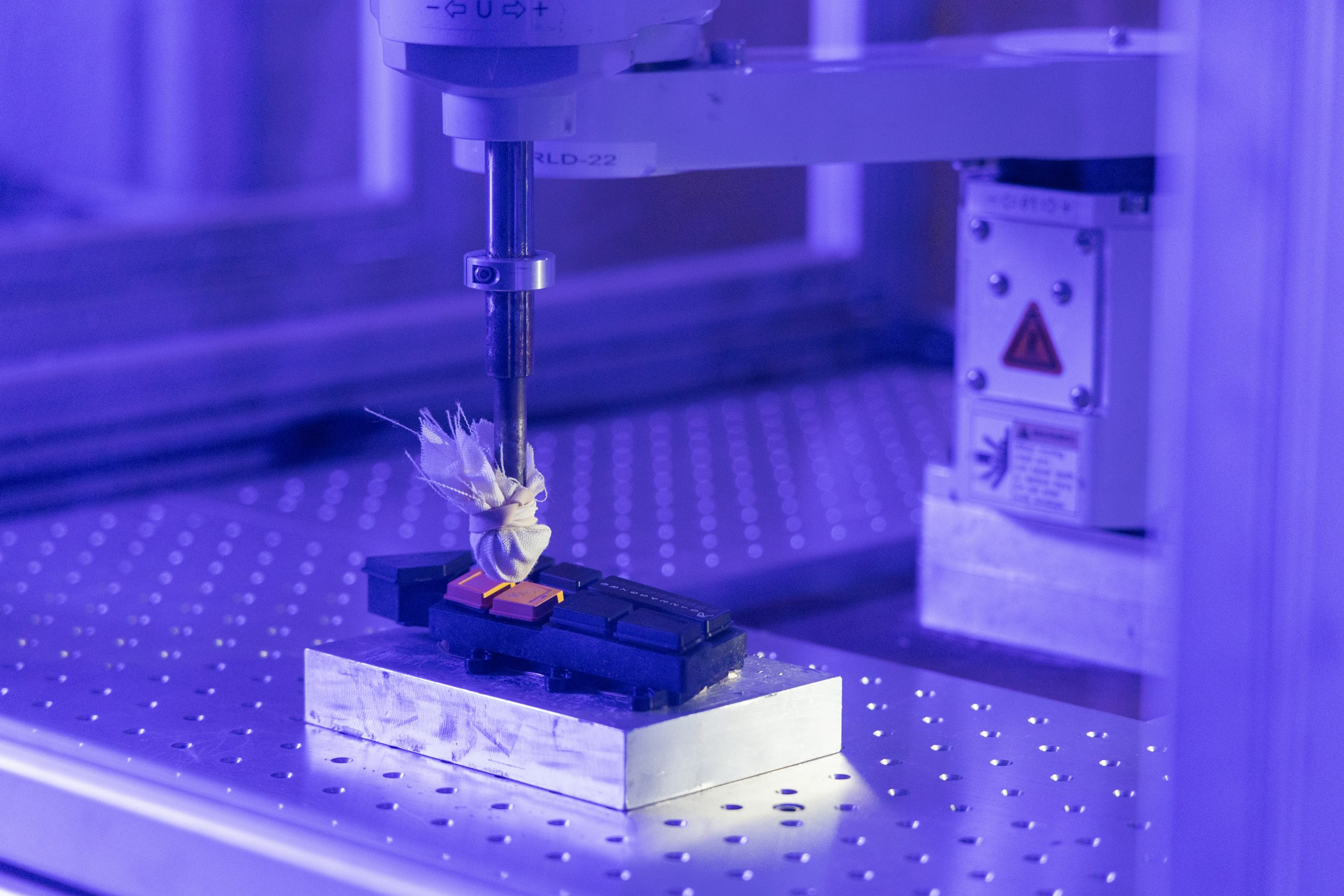
GRAYHILL evaluates wear and marking durability using controlled abrasion and adhesion testing methods designed to simulate long-term use.
These evaluations include:
- Applying repeated mechanical contact to assess abrasion resistance
- Evaluating the durability of printed legends and surface markings
- Assessing adhesion performance of coatings and graphics
- Monitoring for wear, fading, peeling, or degradation over time
These methods help confirm that interface components maintain both function and appearance throughout their lifecycle.
How Wear Testing Supports Interface Design
Wear testing provides valuable insight that supports material selection and design decisions.
GRAYHILL uses wear evaluation data to:
- Select materials with higher abrasion resistance
- Improve adhesion of printed graphics and coatings
- Optimize surface finishes for durability and usability
- Ensure markings remain legible under repeated use
- Maintain consistent product quality over time
These improvements help ensure that interfaces continue to perform as intended, even in demanding environments.
Real-World Impact Across Applications
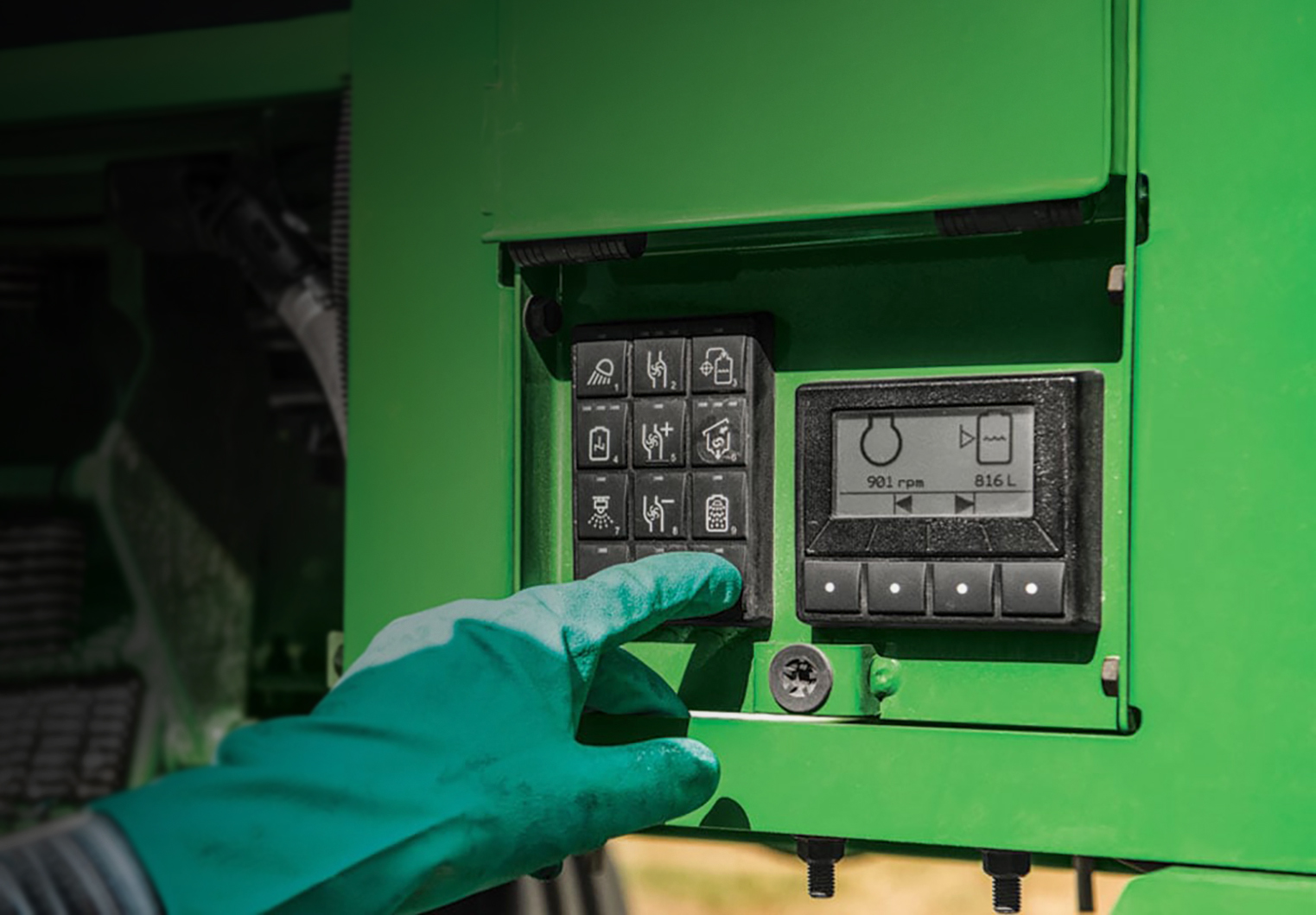
Wear and marking durability are critical across many applications:
- Industrial equipment: Frequent use and harsh environments require durable labels and controls
- Medical devices: Cleaning and repeated interaction demand long-lasting markings
- Defense systems: Reliability under extreme conditions requires consistent readability
- Off-highway vehicles: Dirt, vibration, and repeated use accelerate wear
In each case, durable markings contribute directly to usability, safety, and long-term performance.

Customer Benefits
For customers, wear testing provides:
- Long-lasting readability of markings and legends
- Reduced risk of user error
- Improved product durability and appearance
- Reliable performance in harsh environments
- Confidence in long-term usability
These benefits support both product performance and user experience.
Conclusion
Wear and abrasion testing play a critical role in ensuring that interface components remain functional and readable over time. By evaluating abrasion resistance, adhesion, and coating durability, GRAYHILL helps customers deliver products that maintain their performance and usability throughout their lifecycle.