












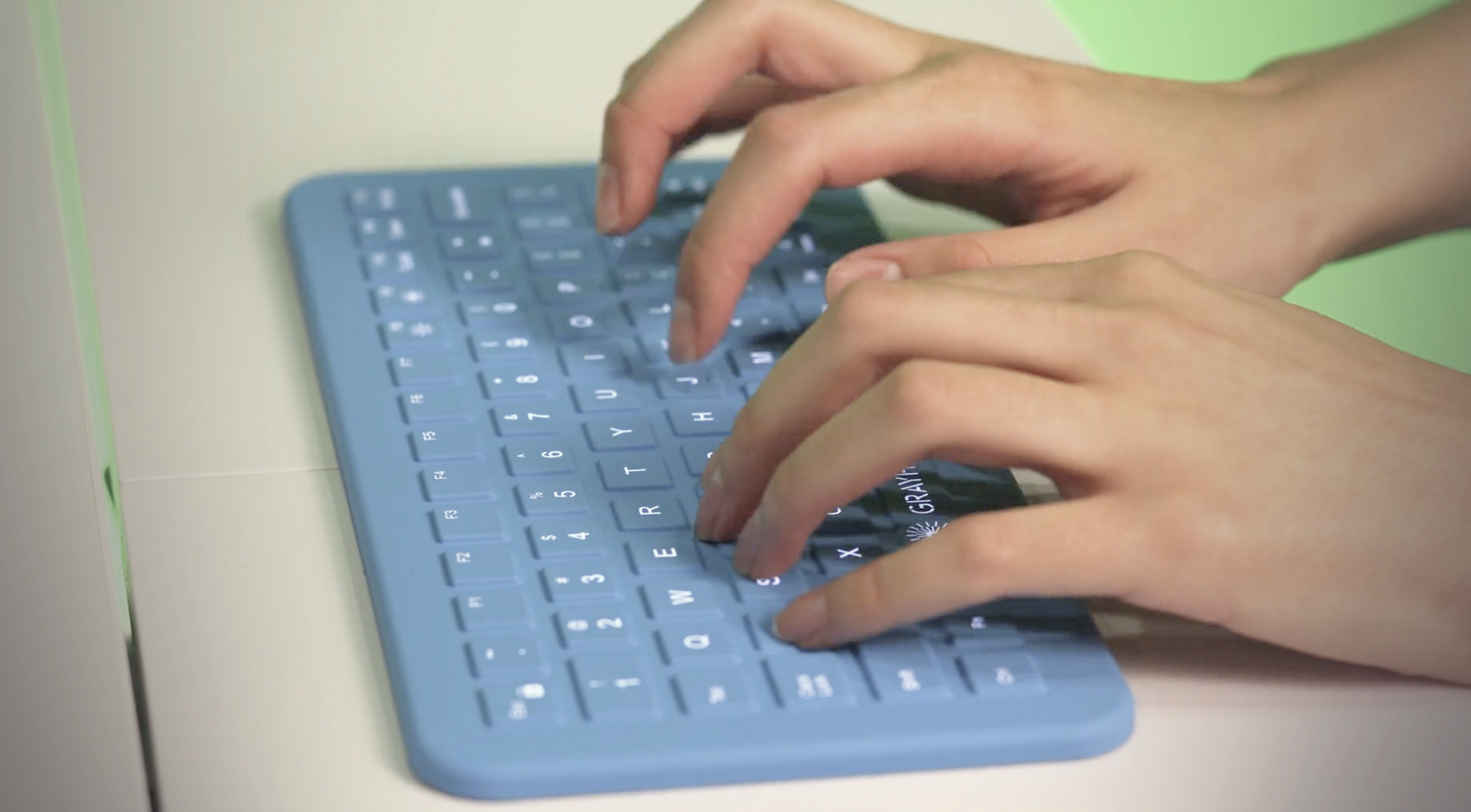
Measuring Tactile Response to Ensure Consistent Human Machine Interaction
Human-machine interfaces are not only visual. They are physical, tactile, and interactive. The way a switch, keypad, or control responds to touch directly influences how confidently and accurately a user can operate a system.
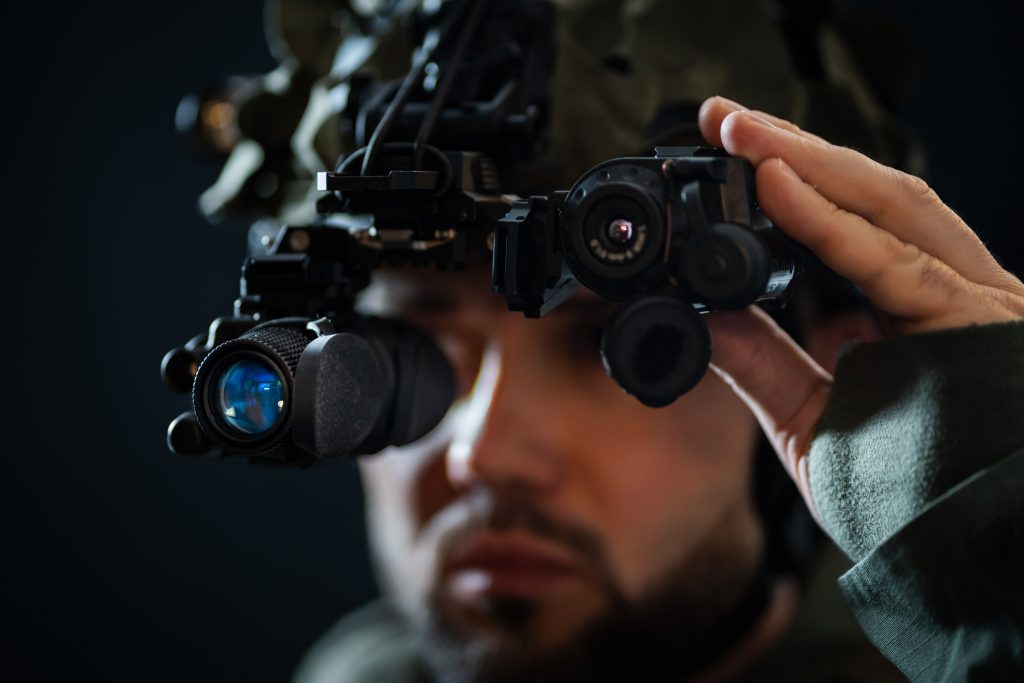
In demanding environments such as industrial equipment, medical devices, and defense systems, tactile response is critical. Operators often rely on feel alone, especially in situations where visual attention is limited or conditions are challenging. A consistent and well-defined tactile response helps ensure that inputs are recognized, actions are confirmed, and errors are minimized.
To support reliable interaction, GRAYHILL evaluates tactile response to measure how interface components behave during actuation and release. These evaluations help ensure that each interaction feels consistent, predictable, and precise.
Why Tactile Response Matters
Tactile feedback provides physical confirmation that an input has been successfully made. This feedback reduces uncertainty and allows users to operate systems more efficiently.
In real-world applications, poor tactile performance can lead to:
- Uncertain or missed inputs
- Increased cognitive load for operators
- Slower response times
- Input errors or repeated actions
- Reduced confidence in system performance
In contrast, a well-designed tactile interface enables:
- Clear confirmation of actuation
- Faster and more accurate operation
- Reduced reliance on visual feedback
- Improved usability in low-light or high-vibration environments
For systems where performance and safety matter, tactile consistency is essential.
What Tactile Response Testing Measures
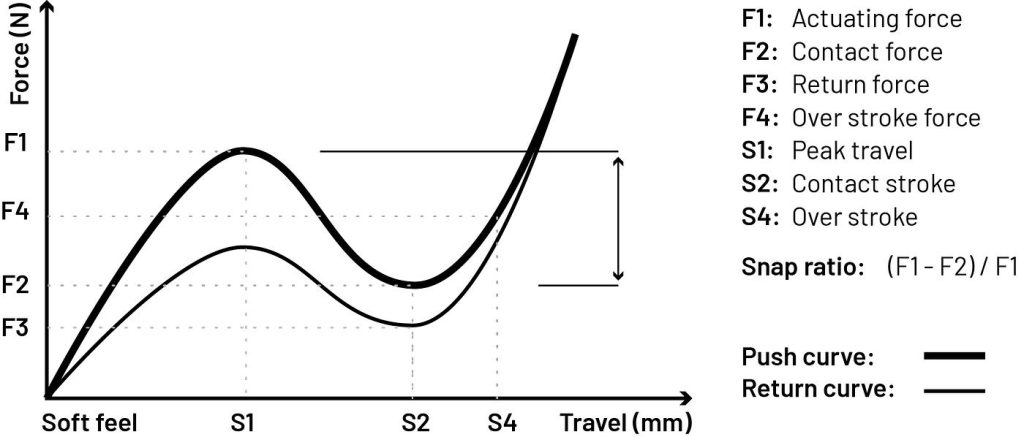
Tactile response is defined by measurable force and motion characteristics. GRAYHILL evaluates several key parameters to ensure consistent performance across interface components.
Actuation Force: The amount of force required to activate a switch or control. Proper actuation force ensures that inputs are neither too sensitive nor too difficult to trigger.
Peak Force: The maximum force applied during actuation. This helps define the tactile “event” that signals to the user that the switch has been engaged.
Return Force: The force required for the switch to return to its original position. Consistent return force ensures reliable reset behavior and readiness for the next input.
Snap Ratio and Tactile Feedback Consistency: Snap ratio describes the difference between peak force and the force drop after actuation. A well-defined snap ratio creates a crisp, recognizable tactile response. Consistency across cycles ensures that every interaction feels the same over time.
Together, these measurements define how a control feels to the user and how reliably it performs across repeated use.
How GRAYHILL Evaluates Tactile Performance
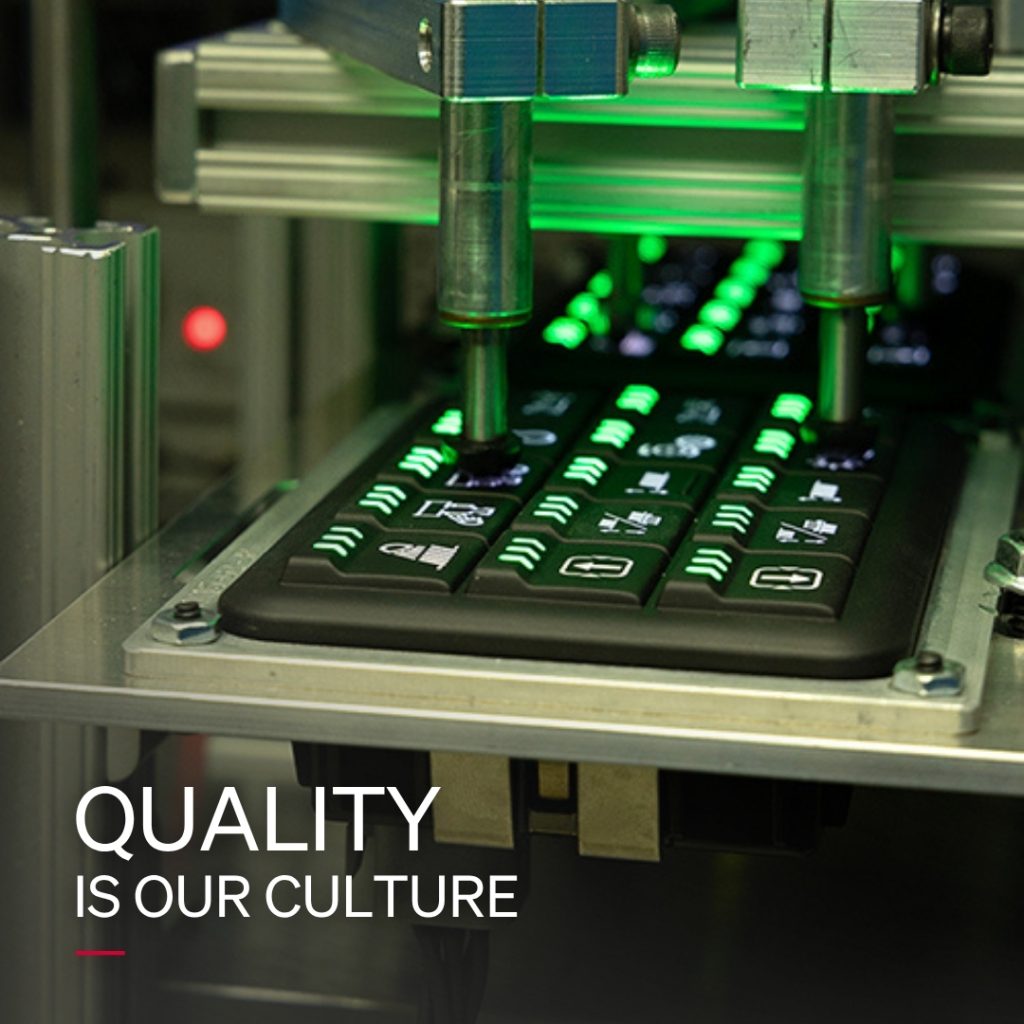
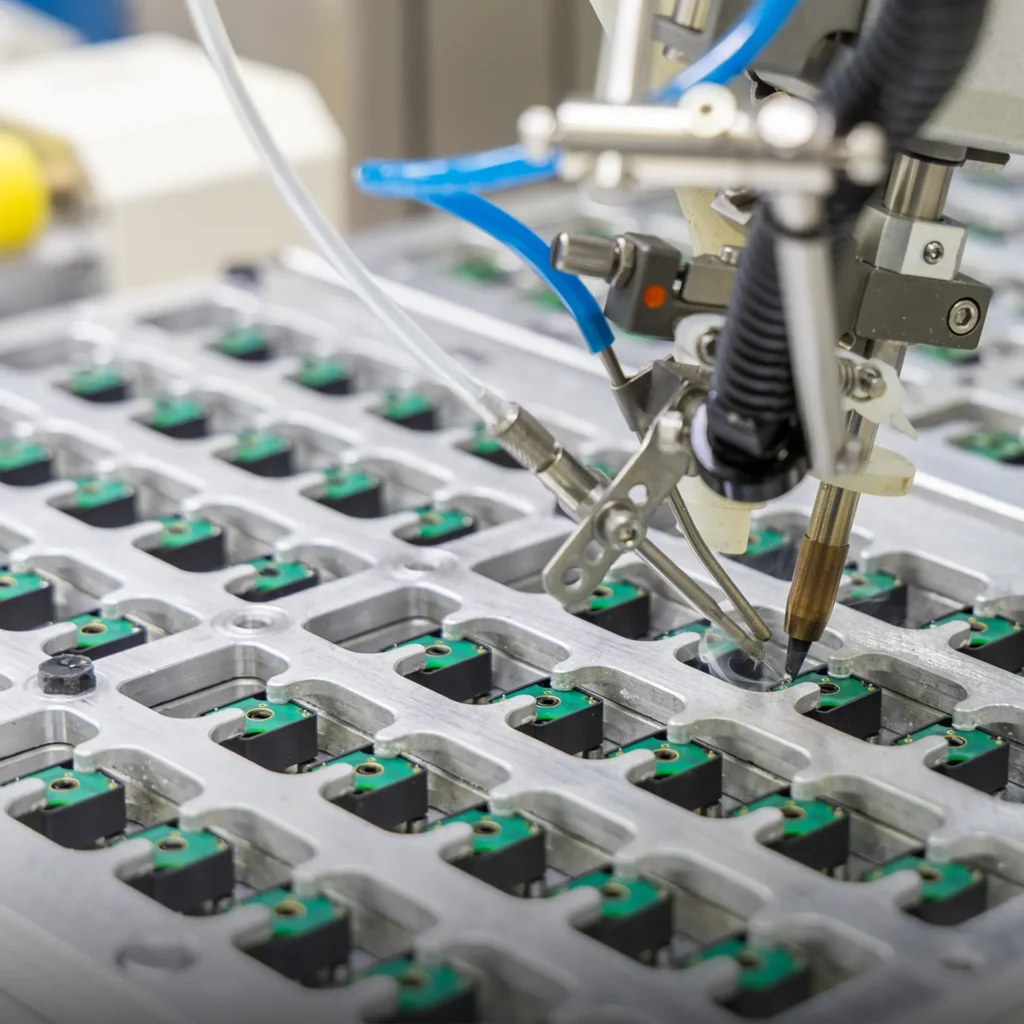
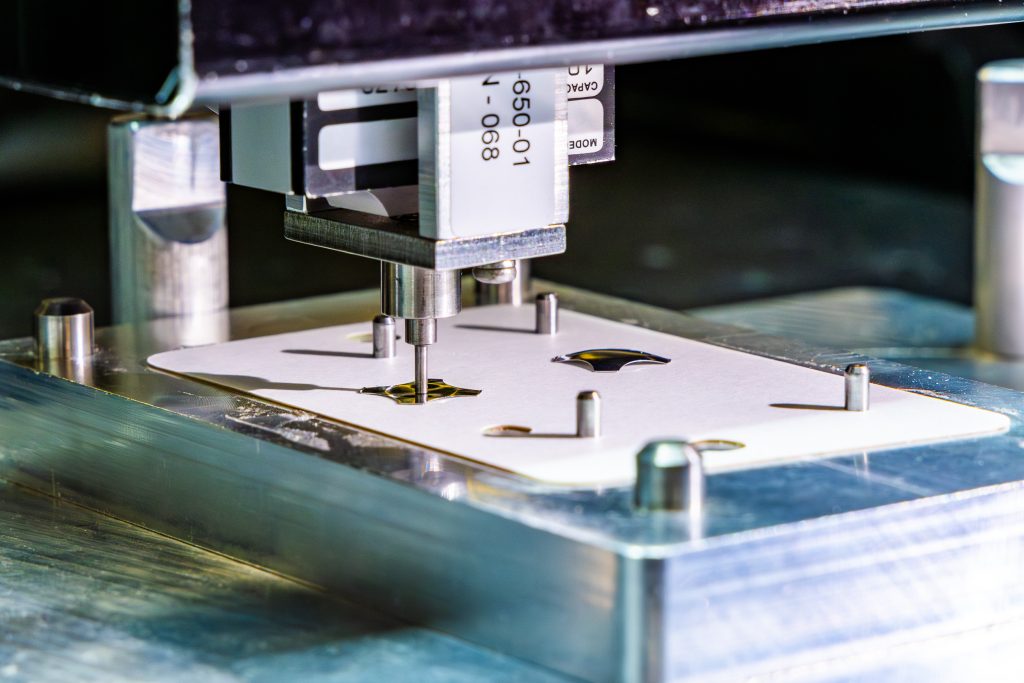
GRAYHILL evaluates tactile response using controlled testing methods that measure force and displacement throughout the actuation cycle.
These evaluations focus on:
- Measuring force curves during actuation and release
- Verifying consistency across repeated cycles
- Assessing performance across environmental conditions
- Identifying variation that could impact user experience
By analyzing these characteristics, engineers can confirm that interface components deliver predictable and repeatable tactile feedback.
How Tactile Testing Supports Interface Design
Tactile response testing is not only used to validate performance. It also provides insight that improves design.
GRAYHILL uses tactile evaluation data to:
- Optimize force profiles for specific applications
- Balance sensitivity with intentional actuation
- Improve feedback clarity for user confirmation
- Ensure consistency across product batches
- Maintain performance over the full product lifecycle
These design improvements help ensure that interfaces perform reliably under real-world conditions.
Real-World Impact Across Applications
Tactile performance plays a critical role across a wide range of applications:
- Industrial equipment: Operators rely on tactile feedback when visibility is limited or attention must remain on machinery
- Medical devices: Consistent tactile response supports accurate input and reduces user error
- Defense systems: Controls must be operable under vibration, stress, and low-light conditions
- Off-highway vehicles: Gloves, motion, and environmental factors make tactile feedback essential
In each of these environments, the ability to feel a reliable response improves both usability and safety.

Customer Benefits
For customers designing human-machine interfaces, tactile response testing provides:
- Improved user confidence and control
- Reduced input errors and rework
- Consistent performance across environments
- Reliable operation over time
- Enhanced overall system usability
These benefits contribute directly to better system performance and user experience.
Conclusion
Tactile response is a critical component of human-machine interaction. By measuring actuation force, snap ratio, and feedback consistency, GRAYHILL ensures that interface components deliver predictable, repeatable performance. These evaluations help customers build systems that are not only functional, but intuitive, reliable, and easy to use.